
Condition Guide
Spina Bifida: Types, Symptoms, and Care at Home
Spina bifida is a birth defect in which the spine and spinal cord do not form properly. It happens in the first month of pregnancy, and its effects range from mild to significant depending on the type and location.
Quick Answer
Spina bifida is a neural tube defect in which the spinal column does not close completely before birth. The most serious form, myelomeningocele, can cause leg weakness or paralysis, bladder and bowel problems, and fluid on the brain (hydrocephalus). Care often includes surgery, therapy, and, for complex cases, pediatric home nursing.
Key Takeaways
- Spina bifida is a neural tube defect that forms early in pregnancy.
- The types range from mild spina bifida occulta to serious myelomeningocele.
- It can affect movement, bladder and bowel control, and cause hydrocephalus.
- Therapy and pediatric home care help a child live fully at home.
What Is Spina Bifida?
During the first weeks of pregnancy, the neural tube, which becomes the brain and spinal cord, normally closes fully. In spina bifida, part of it does not close, leaving the spinal cord and nerves exposed or malformed. Adequate folic acid before and during early pregnancy lowers the risk.
Types of Spina Bifida
Spina bifida is grouped into three main types:
- Spina bifida occulta: The mildest form, with a small gap in the spine and often no symptoms.
- Meningocele: The protective membranes push through the opening, usually without major nerve damage.
- Myelomeningocele: The most serious form, where the spinal cord and nerves are exposed, often causing weakness or paralysis below the opening.
How Home Care Helps a Child With Spina Bifida
Children with myelomeningocele may need help with mobility, catheter and bowel programs, skin care, and monitoring of a shunt for hydrocephalus. Focus Family Care provides pediatric home care and pediatric private duty nursing, so a child receives skilled nursing and daily support at home and, when approved, at school. A registered nurse supervises the plan and coordinates with the child's specialists.
How We Know This
This educational guide is reviewed by Focus Family Care's Director of Nursing, a licensed APRN. It summarizes general information from the sources below and is not a substitute for advice from your own physician. Focus Family Care is a Florida-licensed home health agency and nurse registry (NR #30211928, HHA #299995403).
Sources
Frequently Asked Questions
Can a child with spina bifida walk?
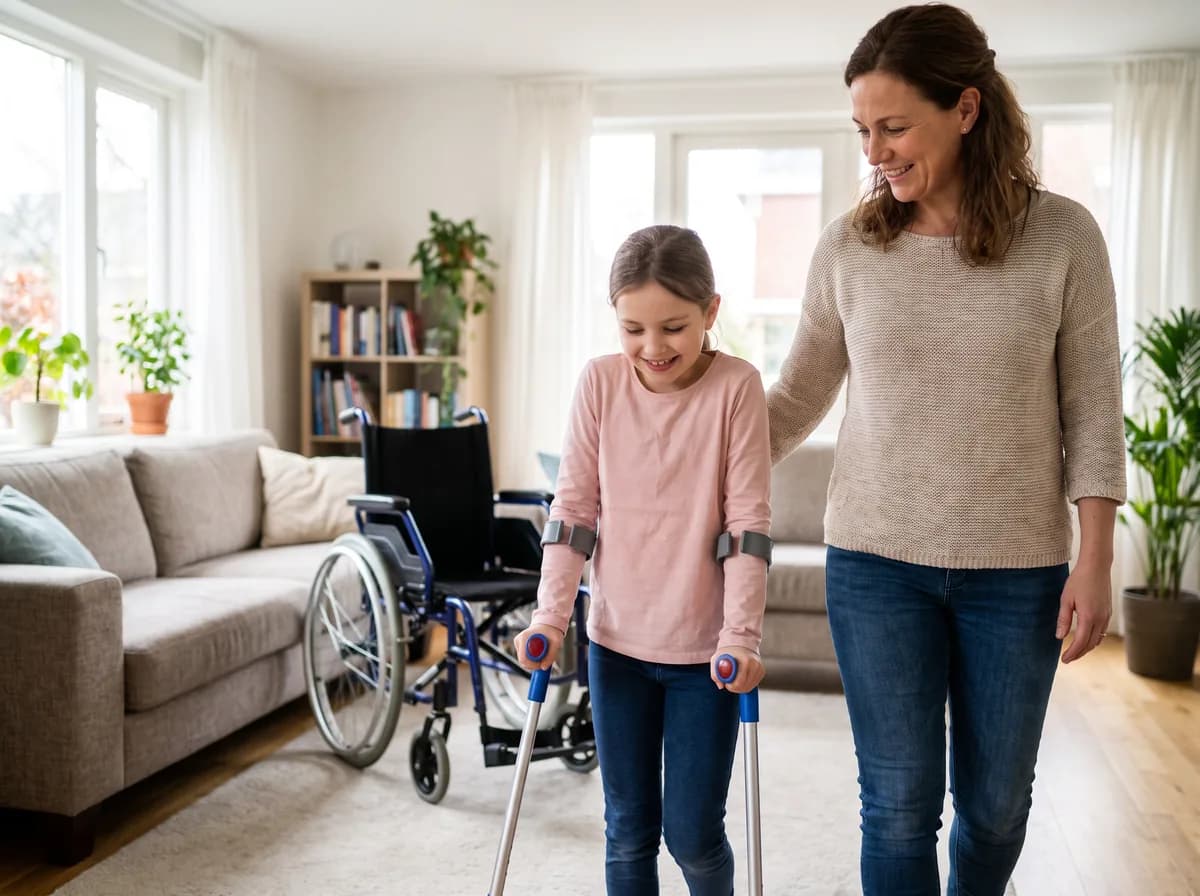
It depends on the type and where the defect is on the spine. Some children walk independently, some use braces or a wheelchair. Physical therapy and a child's medical team guide mobility.
What is hydrocephalus in spina bifida?
Many children with myelomeningocele develop hydrocephalus, a buildup of fluid on the brain, which is often treated with a shunt. Caregivers watch for signs the shunt needs attention.
Does spina bifida require lifelong care?
Many people with spina bifida live full, independent lives, while those with more severe forms need ongoing medical care and support. Needs are individual and change over time.
Request Home Health Care Today
Focus Family Care starts care in as little as 24 hours. Call now or request an in-home assessment. We answer around the clock.
515 N Flagler Drive, Ste 350, West Palm Beach, FL 33401