Condition Guide
Epilepsy and Seizures in Children
Epilepsy is a condition in which a child has repeated seizures caused by sudden bursts of electrical activity in the brain. Seizures look different from child to child, and most children with epilepsy do well with the right treatment and support.
Quick Answer
Epilepsy in children means having two or more unprovoked seizures. Seizures range from brief staring spells (absence seizures) to whole-body convulsions. Many children respond well to medication. For children with frequent or complex seizures, pediatric home nursing helps keep them safe and supports the family.
Key Takeaways
- Epilepsy means repeated, unprovoked seizures from bursts of brain activity.
- Types include brief absence (staring) seizures and convulsive (tonic-clonic) seizures.
- Most children respond well to medication, and many outgrow epilepsy.
- For complex cases, pediatric home nursing supports safety and daily life.
Seizure Types in Children
Seizures are grouped by where they start in the brain and how they look:
- Absence seizures: Brief staring spells, once called petit mal, that can be mistaken for daydreaming.
- Focal seizures: Start in one area of the brain and may cause unusual movements, sensations, or awareness changes.
- Tonic-clonic seizures: Whole-body stiffening and jerking with loss of consciousness, once called grand mal.
What to Do During a Seizure
Stay calm, keep the child safe from injury, gently turn them on their side, cushion the head, and time the seizure. Do not put anything in the mouth. Call 911 if a seizure lasts more than 5 minutes, if breathing is difficult, or if it is the child's first seizure. Always follow the child's individual seizure action plan from their doctor.
How Home Care Helps
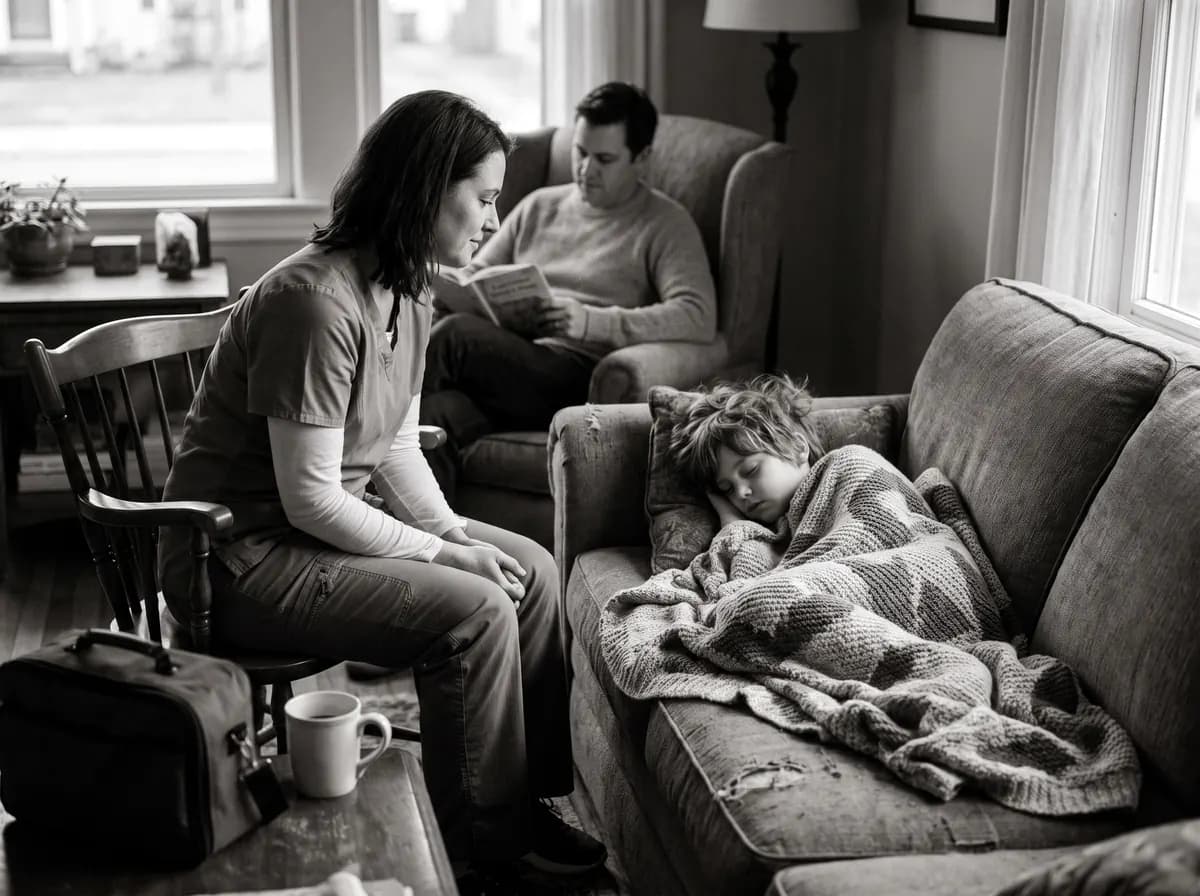
Children with frequent, prolonged, or hard-to-control seizures may need close monitoring and rescue medication. Focus Family Care provides pediatric home care and pediatric private duty nursing, so a nurse can monitor seizures, give medication, and keep a child safe at home and, when approved, at school. A registered nurse builds the care plan with the child's neurologist.
How We Know This
This educational guide is reviewed by Focus Family Care's Director of Nursing, a licensed APRN. It summarizes general information from the sources below and is not a substitute for advice from your own physician. Focus Family Care is a Florida-licensed home health agency and nurse registry (NR #30211928, HHA #299995403).
Sources
Frequently Asked Questions
Are absence seizures serious?
Absence seizures are brief and may seem minor, but frequent episodes can affect learning and safety, and they need medical evaluation and treatment. A doctor confirms the diagnosis.
Can children outgrow epilepsy?
Many children outgrow certain types of epilepsy, especially some childhood forms. Others need ongoing treatment. A child's neurologist guides the long-term plan.
When is a seizure an emergency?
Call 911 if a seizure lasts longer than 5 minutes, if the child has trouble breathing or does not wake up, or if it is a first seizure. Follow the child's seizure action plan.
Request Home Health Care Today
Focus Family Care starts care in as little as 24 hours. Call now or request an in-home assessment. We answer around the clock.
515 N Flagler Drive, Ste 350, West Palm Beach, FL 33401