
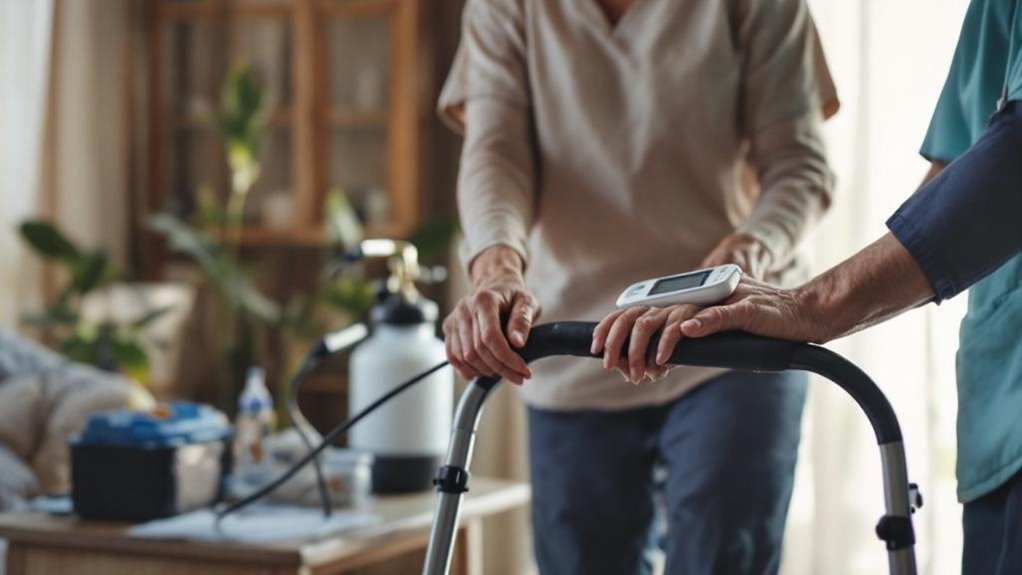
APD health insurance coverage in Florida provides extensive home care services for individuals with developmental disabilities through Medicaid waiver programs. Coverage includes personal care assistance with daily living activities, behavioral therapy from certified analysts, medical equipment like wheelchairs and communication devices, home modifications such as ramps and accessible bathrooms, and respite care for family caregivers. Recipients can choose between self-directed care, where they hire their own workers, or agency-managed services with pre-screened providers. The following sections explain eligibility requirements, application processes, and strategies for maximizing available benefits.
Key Takeaways
- APD coverage includes personal care assistance for daily living activities like hygiene, meal preparation, medication reminders, and mobility support.
- Behavioral analysis services through Board Certified Behavior Analysts provide individualized treatment plans and Applied Behavior Analysis therapy for behavioral challenges.
- Medical equipment coverage encompasses wheelchairs, hospital beds, lift systems, communication devices, and other essential assistive technology based on medical necessity.
- Home modifications are funded including wheelchair ramps, accessible bathrooms, widened doorways, and specialized lighting to ensure safe living environments.
- Recipients can choose self-directed care to hire their own workers or agency-managed care with pre-screened caregivers from licensed providers.
What APD Is and How It Differs From Health Insurance
The Agency for Persons with Disabilities (APD) operates as a state-funded program in Florida that provides services and support to individuals with developmental disabilities, distinct from traditional health insurance models.
While health insurance typically covers medical treatments and hospital visits, APD services comparison reveals a focus on long-term developmental support, including behavioral therapy, residential assistance, and life skills training.
APD funding sources differ greatly from insurance premiums. The program receives appropriations from Florida’s state budget and federal Medicaid waiver programs, rather than operating through policyholder contributions.
This funding structure enables APD to provide extensive home care services based on individual needs assessments rather than coverage limitations. Caregivers and service providers should understand these fundamental differences when coordinating care for eligible individuals with developmental disabilities.
In contrast, Florida Community Care Insurance offers comprehensive coverage that includes personalized care plans and skilled nursing support specifically designed for elderly and disabled individuals requiring home-based care.
Florida’s Four APD Medicaid Waiver Programs Explained
Florida operates four distinct Medicaid waiver programs through APD, each designed to serve individuals with developmental disabilities at different life stages and support levels.
The Family and Supported Living Waiver provides extensive services for individuals living with families or in supported settings.
The Developmental Disabilities Individual Budgeting Waiver offers flexible, self-directed care options with personalized budget management.
For children under 18, the Home and Community-Based Services Waiver delivers pediatric-focused supports that keep families together.
The recently implemented iBudget Florida Waiver consolidates services while emphasizing individual choice and control.
Understanding APD program eligibility requirements and APD service availability within each waiver helps caregivers identify appropriate support pathways.
Each program maintains specific enrollment criteria, service arrays, and funding structures tailored to distinct population needs and circumstances.
Navigating these coverage options requires careful analysis to ensure families access the full scope of benefits available under their specific waiver program.
Who Qualifies for APD Home Care Services in Florida
Qualifying for APD home care services in Florida requires individuals to meet specific diagnostic and functional criteria established by state regulations. Applicants must have a developmental disability that occurred before age 18, including intellectual disabilities, cerebral palsy, autism, spina bifida, or Prader-Willi syndrome.
The eligibility criteria also require demonstrating substantial functional limitations in three or more major life activities such as self-care, mobility, or communication.
The application process begins by contacting the local APD area office to request an evaluation. Applicants must provide medical documentation, undergo thorough assessments, and complete financial screening to determine Medicaid eligibility.
Priority placement on waiver waitlists depends on urgency of need classifications. Families and caregivers should gather necessary documentation early to expedite processing and guarantee individuals receive appropriate support services promptly.
How to Apply for APD Waiver Programs and Approval Timeline
Maneuvering the APD waiver application process requires understanding multiple procedural steps and anticipated timeframes. Families begin by contacting their local APD area office to initiate enrollment.
The application process involves extensive documentation, including medical records, diagnostic evaluations, and financial information demonstrating eligibility requirements.
APD staff conduct thorough assessments to determine approval criteria compliance, evaluating the applicant’s developmental disability diagnosis, functional limitations, and service needs. This evaluation typically occurs within 60 days of application submission.
Following assessment completion, applicants receive notification regarding their eligibility status. Approved individuals join a waitlist organized by priority categories, with wait times varying based on funding availability and urgency level.
Crisis situations receive expedited consideration, while non-crisis applicants may experience extended waiting periods before receiving services. Once approved for services, families can access professional medical care delivered in the comfort of their home, including nursing care, physical therapy, and assistance with daily activities.
Personal Care and In-Home Support Under APD Coverage
Once approved for APD waiver services, recipients gain access to extensive personal care and in-home support designed to maintain independence within their residences.
These services enable individuals with developmental disabilities to receive assistance with daily living activities while remaining in familiar, comfortable environments surrounded by loved ones.
Key services include:
- Personal hygiene assistance with bathing, grooming, dressing, and toileting
- Meal preparation and feeding support tailored to dietary needs and preferences
- Medication reminders and administration under proper supervision
- Light housekeeping and laundry to maintain safe, clean living spaces
- Mobility assistance for transfers, positioning, and movement throughout the home
Trained caregivers deliver these essential services, empowering recipients to live dignified lives while alleviating family caregiving burdens.
The personalized approach guarantees each individual receives appropriate support matching their unique capabilities and requirements.
Respite Care Benefits Through APD Home Care Waivers
Family caregivers providing round-the-clock support to loved ones with developmental disabilities face significant physical and emotional demands that can lead to exhaustion and burnout.
APD home care waivers address this critical need by offering respite care services that provide temporary relief to primary caregivers. These waiver services enable family members to take necessary breaks while ensuring their loved ones receive qualified, compassionate care in familiar surroundings.
Respite care through APD can be accessed in various formats, including in-home support, center-based programs, or overnight stays. The duration ranges from a few hours to several days, depending on individual waiver allocations and assessed needs.
This essential benefit helps families maintain their caregiving responsibilities long-term while preserving their own health and well-being, ultimately strengthening the support system for individuals with developmental disabilities.
Behavioral Therapy and Support Services APD Covers
When individuals with developmental disabilities exhibit challenging behaviors that interfere with daily functioning, APD home care waivers provide access to specialized behavioral therapy and support services designed to address these complex needs.
These extensive therapy options enable caregivers to implement effective strategies that promote positive outcomes:
- Behavior analysis services conducted by Board Certified Behavior Analysts (BCBAs) who develop individualized treatment plans
- Applied Behavior Analysis (ABA) therapy targeting specific behavioral challenges through evidence-based techniques
- Positive behavior support training for family members and direct care staff
- Crisis intervention services providing immediate assistance during behavioral emergencies
- Therapeutic consultation offering ongoing guidance for implementing behavioral interventions
These services empower families and professional caregivers with practical tools to support individuals effectively, fostering environments where people with developmental disabilities can thrive while maintaining dignity and independence.
Medical Equipment and Home Modifications APD Pays For
Creating a safe and accessible home environment requires specialized equipment and structural modifications that address the unique needs of individuals with developmental disabilities. Florida’s APD provides coverage for essential medical equipment including wheelchairs, hospital beds, lift systems, and communication devices that enable greater independence in daily activities.
The program also funds critical home modifications such as wheelchair ramps, widened doorways, accessible bathrooms, and specialized lighting systems.
Coverage determinations depend on medical necessity documentation and professional assessments demonstrating how specific equipment or modifications support care plan goals. Families should work closely with APD case managers to identify needed adaptations and navigate the approval process.
These investments in physical accessibility create environments where individuals can safely participate in home-based care while maintaining dignity and maximizing their functional capabilities.
Self-Directed vs. Agency-Managed APD Home Care Models
Florida’s APD home care program offers two distinct service delivery models that fundamentally shape how individuals receive support and manage their care arrangements.
Self directed care empowers recipients or their representatives to hire, train, and supervise their own support workers, providing maximum control over daily care decisions.
Conversely, agency managed care connects individuals with licensed providers who handle all employment responsibilities and service coordination.
Key distinctions include:
- Self-directed participants act as employers, managing payroll, schedules, and worker selection.
- Agency-managed services assign pre-screened caregivers trained by the provider organization.
- Self-directed models offer greater flexibility in choosing family members or trusted individuals as paid caregivers.
- Agency-managed care reduces administrative burdens for families preferring professional oversight.
- Both models receive identical APD funding allocations based on individual assessed needs.
Understanding these options helps families select arrangements aligned with their capabilities and preferences.
APD Service Limits and How to Request Additional Coverage
The request process involves documenting the specific gaps in current care, providing medical evidence supporting increased needs, and demonstrating how additional services will enhance independence or prevent institutionalization.
Support coordinators submit formal amendment requests to APD for review. Approval depends on available waiver capacity, medical necessity documentation, and whether the requested services align with waiver objectives.
Families should maintain detailed records of care challenges to strengthen their requests.
Conclusion
APD home care coverage in Florida isn’t just a safety net—it’s a lifeline that can transform impossibility into independence. From round-the-clock personal care to life-altering home modifications, these waiver programs offer remarkably extensive support that many never knew existed. Steering through the application process may seem overwhelming, but the potential benefits are nothing short of extraordinary for eligible Floridians with developmental disabilities. Understanding these options could mean the absolute difference between isolation and a fully supported, dignified life at home.