
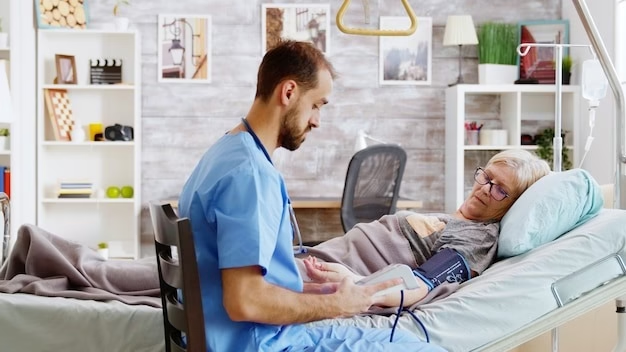
Post-operative recovery is not only a physical process, but it is also an emotional process that goes on beyond the moment a patient goes home. Suffering, exhaustion, lack of movement, and temporary reliance on others can be burdens on the mind. This is why home care for a post-surgery patient requires not only medical attention but also emotional support and companionship. Patients feel safer, calmer, and more confident when they have support at home.
Understanding Post-Operative Care at Home and Its Role in Recovery
Home-based care in a post-operative setting ensures patients safely leave the hospital and receive appropriate care at home, supporting their recovery and emotional well-being. It integrates medical care, daily support, and emotional support to minimise complications and improve overall recovery rates.
What Is Post-Surgery Home Care?
Home care after surgery is professional or assisted assistance offered to a patient after surgery. It includes medical check-ups, personal care, and emotional support, provided based on the patient’s health status and recovery objectives. This will enable the patients to recover in an environment they are used to and get the assistance they need with minimal stress.
Why Home-Based Recovery Matters After Surgery
Home recovery reduces hospital-related stress and infection risk by embracing comfort and routine. In their own environment, patients tend to sleep more, feel more relaxed, and be less anxious. This has rendered home care following surgery an option of choice for many families.
Who Benefits the Most From Home Care After Surgery
Home Care is particularly useful for seniors, people with mobility challenges, and those who have undergone significant surgeries. Structured home care support can do a great deal of good for anyone who requires physical assistance and emotional reassurance
What to Expect During the Recovery Process After Surgery at Home
Being aware of what to expect during the recovery process helps patients and caregivers feel prepared rather than overwhelmed. Home-based recovery is typically characterised by slow physical recovery and emotional changes as patients return to normal activities.
Common Physical Changes During Home Recovery
In the early stages of recovery, patients may experience pain, stiffness, swelling, or fatigue. These effects typically have simple remedies, such as rest, medication, and physical therapy. Homestay support can help patients cope safely with these changes.
Emotional Ups and Downs After Surgery
The post-surgery emotional changes include frustration, anxiety, or sadness. Dependence, which is temporary and slower progress, can influence confidence. Emotional support is also provided to patients immediately after surgery to help them manage these feelings more effectively.
How Recovery Timelines Can Vary From Patient to Patient
The rate of recovery is determined by factors such as age, overall health, and the type of surgery. When one compares their progress to others’, it can make progress feel more stressful. Individualised treatment provides recuperation to occur at a pace that is comfortable and safe for the person.
How Post-Surgery Home Care Supports Both Physical and Emotional Healing
Recovery requires not only physical but also emotional support. Home care, medical assistance, and emotional support fill this gap by addressing both the practical and emotional aspects of post surgery home care.
Physical Assistance That Supports Safe Healing
Caregivers participate in mobility, medication control and daily activities that minimise the risk of falls or complications. This care will enable patients to focus on recovery without fear of harm or failure.
The Emotional Impact of Feeling Cared for at Home
A sense of security and trust is established through feeling cared for during the healing process. Emotional reassurance reduces stress and helps patients feel less alone, contributing to greater motivation and a more positive attitude.
Why Emotional Stability Plays a Role in Faster Recovery
Emotional stability affects sleep quality, pain tolerance, and energy. Relaxed and empowered patients tend to adhere to recovery plans and heal more quickly.
Essential Support Patients Need at Home After Surgery to Recover Safely
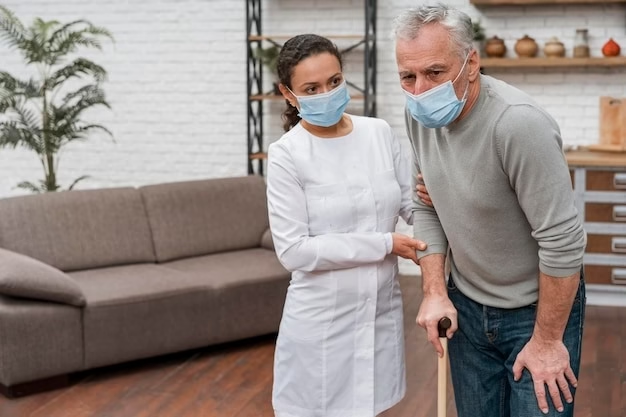
Recovery at home requires a blend of practical support, health management, and emotional support. All of the elements are significant for preventing complications and increasing confidence.
Daily Living and Mobility Assistance
Assistance with movement, bathing, dressing, and mobility around the house reduces strain and falls. With this support, patients can recover with dignity.
Medication, Nutrition, and Health Monitoring
Proper medication, balanced meals, and adequate hydration support the healing process. Symptom monitoring helps identify potential areas of concern and enables an early response.
Emotional Reassurance and Companionship During Recovery
Frequent contact and friendship during the recovery process will reduce feelings of isolation. Patients will be motivated to remain active and positive throughout recovery, which is supported by emotional presence.
Types of Support Provided by Post-Surgery Home Caregivers
Home caregivers offer a holistic approach to recovery by addressing the patient’s physical needs and providing emotional and social support.
Medical and Recovery-Focused Care
This involves monitoring progress during recovery, assisting with post-operative instructions, and communicating with healthcare providers as necessary. These services help ensure effective, safe healing.
Personal Care and Daily Routine Assistance
Caregivers assist with hygiene, meals, and daily activities, reducing stress for both patients and families. This encourages rest and stability in the recovery process.
Emotional Support and Companionship at Home
Caregivers provide conversation, encouragement, and reassurance. Their presence enables patients to feel that they are supported, which decreases anxiety and loneliness.
How Emotional Support and Companionship Improve Post-Surgery Recovery
Emotional treatment is an important component of the healing process that directly affects the quality of recovery. Emotionally supported patients recover with more confidence and strength.
Reducing Stress, Anxiety, and Post-Surgery Loneliness
Friendship helps patients feel part of something and valued. Lower stress levels are likely to improve sleep and pain management during recovery.
Encouraging Independence and Confidence During Healing
Good motivation makes patients have confidence in themselves. This is due to the emotional support after surgery enables them to actively engage in their recovery.
The Link Between Emotional Well-Being and Physical Healing
Emotional health influences the body’s response to the healing process. A relaxed, assisted approach may lead to better physical recovery outcomes.
Post-Operative Home Care for Seniors: Why Emotional Support Matters More
The elderly are more susceptible to emotional and physical issues in the recovery process, and home-based supportive care is particularly valuable to them.
Unique Recovery Challenges Seniors Face After Surgery
Elderly people can also have delayed healing, fall phobia, or become more dependent. These obstacles might impact self-esteem and emotional well-being.
Why Familiar Home Environments Improve Senior Recovery
At home, there is comfort and predictability, which helps reduce confusion and stress. A supportive environment helps seniors feel safe during recovery.
Companionship During Recovery for Ageing Patients
Frequent companionship during recovery helps in alleviating loneliness and also gives reassurance. Emotional attachment is a crucial factor in older adults’ recovery and overall health.
Essential Services Included in Patient Care at Home After Surgery
Essential Services in Patient Care at Home Post-surgery include medical checks, support with all aspects of daily living, and emotional support to enable patients to recover comfortably and safely at home.
Medical and Health Monitoring Services
These services assist in monitoring recovery progress and identifying potential complications at an early stage. Continuous observation facilitates home-based safer healing.
Personal Care and Daily Assistance Services
Providing daily living support enables patients to reduce energy use and focus on the healing process. It also alleviates the stress of the family caregivers.
Emotional Care, Companionship, and Mental Well-Being Support
Emotional care makes the patients feel listened to, appreciated, and motivated. Friendship helps in the recovery process.
How Caregivers Balance Physical Recovery and Emotional Care After Surgery
Physical recovery is facilitated by supporting patient movement, daily activities and routines, and emotional reassurance through patient caregivers who provide patience, encouragement, and companionship. By integrating practical care, empathy, and open communication, caregivers help patients feel safe, confident, and emotionally supported throughout the healing process.
Understanding the Emotional Needs of Recovering Patients
During healing, caregivers address emotional weaknesses. Patients should feel empathetic and heard through active listening.
Creating a Supportive and Encouraging Recovery Environment
A peaceful, supportive family atmosphere fosters inspiration and comfort. Motivation helps patients stay involved in the recovery process.
Preventing Caregiver Burnout While Providing Emotional Support
The caregiver should consult and divide duties as needed. Home care services provided by professionals assist in a healthy balance.
Finding Reliable Post-Surgery Home Care and Companionship Support
Prolonged caregivers with experience in home care and companionship can be trusted to find high-quality post-surgery care and companionship services. Reliable home care services provide regular support, warm companionship, and tranquillity for patients and their families throughout the healing process.
When to Consider Professional Post-Surgery Home Care Services
The advantage of professional care is the ability to recover, which is beyond a family’s ability to provide. It provides reliable and constant support.
What to Look for in a Trusted Home Care Provider
Effective home care must include qualified, skilled caregivers; individualised care plans; and a strong emphasis on physical rehabilitation and emotional support. Effective communication, trustworthiness, and dedication to patient comfort and safety are the key factors that ensure a stress-free healing experience at home.
How the Right Home Care Support Improves Recovery Confidence
The appropriate home care assistance provides regular support, emotional encouragement, and professional advice, helping the patient feel safe and well cared for during the recovery process. It is this feeling of security that helps to decrease anxiety, foster independence, and enable the patients to put all their efforts into healing, knowing they can do it at home.
Conclusion: Healing Better at Home With the Right Support
Post-surgery recovery is not just about medically healing; it is more about having the support of everyday life. Proper post-surgery home care, emotional reassurance, and in-home companionship can help patients heal comfortably and with confidence.
At In Focus Family Care, our professionals are dedicated to the physical and emotional needs of patients recovering. If you or someone you love needs trustworthy home care after an operation, call Focus Family Care now and heal with comfort, dignity, and peace of mind.
FAQ’s
1. What is post-operative care at home, and why is it important for recovery?
Home-based post-operative care provides support, counselling, and reassurance to patients, enabling medical care at home; patients feel safe and less prone to stress and other complications associated with recovery.
2. What should I expect during the recovery process after surgery at home?
Usually, recovery at home can involve slow physical healing, controlled pain, initial movement restrictions, and mood swings that are alleviated with adequate care and support.
3. How does emotional support and companionship improve post-surgery recovery?
Emotional support and companionship decrease anxiety, avoid loneliness and encourage patients to remain active in their recovery process, which improves physical and mental healing outcomes.
4. What types of support do post-surgery home caregivers provide during recovery?
Home caregivers, who are nurses after surgery, provide medical care, personal care, assistance with all activities of daily living, and emotional support to ensure safe, effective home recovery.
5. Where can I get reliable post-surgery home care and companionship support at home?
Home healthcare providers offering personalised recovery and emotional care will provide reliable support, including companionship, during the post-surgery period.