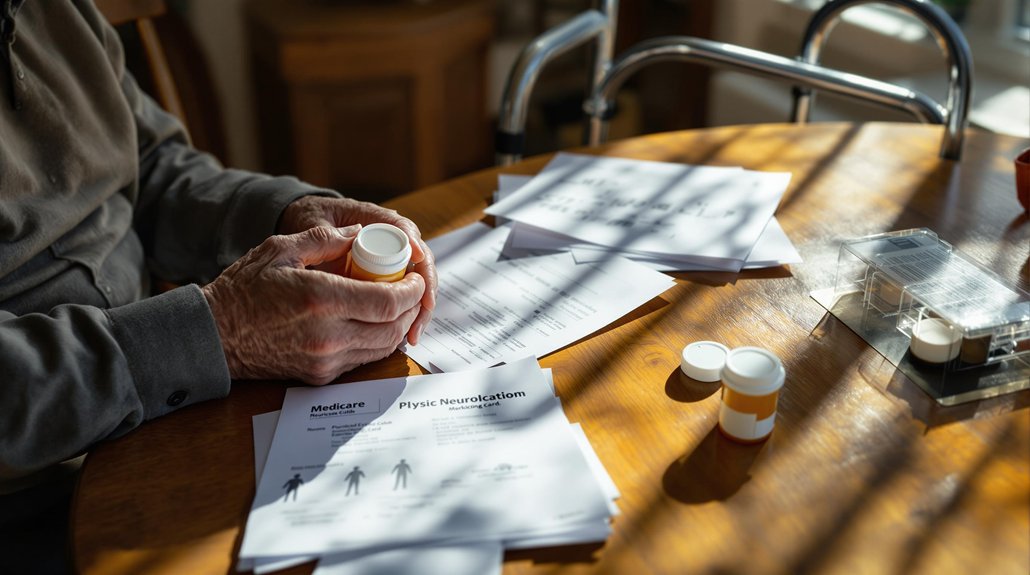

Take your Parkinson’s medications 30-60 minutes before breakfast on an empty stomach for best absorption. Your ideal morning meal should focus on low-protein, nutrient-dense options like fresh fruits, whole grain toast with honey, or hot cereals like cream of wheat. You’ll want to save protein-rich foods for later in the day to prevent interference with your medicine. Planning your breakfast strategically can make a significant difference in managing your symptoms throughout the morning.
Understanding the Timing of Morning Medications and Meals
When managing Parkinson’s disease, the timing of your morning medications and meals can greatly impact your symptoms throughout the day. Most Parkinson’s medications work best when taken on an empty stomach, about 30-60 minutes before eating breakfast. This medication timing helps guarantee ideal absorption and effectiveness.
If you’re caring for someone with Parkinson’s, create a consistent meal scheduling routine that aligns with their medication regimen. You’ll want to avoid protein-rich foods during breakfast, as they can interfere with medication absorption. Instead, plan protein intake for later meals.
Keep a log of medication times and meal times to identify patterns that work best for symptom management. Remember that each person responds differently, so you may need to adjust the schedule to find the ideal balance between medications and morning nutrition.
Skilled nursing professionals can provide expert guidance on creating effective medication and meal schedules that optimize symptom management throughout the day.
Protein-Conscious Breakfast Options for Better Medication Absorption
Three essential breakfast options are particularly suitable for Parkinson’s patients who need to minimize protein interference with their morning medications.
Start with a fruit-based meal combining fresh berries, bananas, and melon, which provide essential nutrients without protein interference.
Fresh berries, bananas, and melon create a nourishing breakfast that delivers vital nutrients while allowing medications to work effectively.
Another effective choice is a carbohydrate-focused breakfast of toast with honey or jam, accompanied by herbal tea or black coffee.
For those who prefer warm options, consider hot cereal like cream of wheat or rice porridge sweetened with maple syrup.
You can enhance these meal combinations with non-protein sources of nutrients such as steamed vegetables or fresh juice.
Save protein sources like eggs, yogurt, and nuts for your mid-morning snack or lunch, allowing ideal absorption of your morning medication.
Personal care services through Medicaid can assist with meal preparation and feeding assistance for those who need support maintaining their dietary routines.
Brain-Boosting Foods to Start Your Day
Since brain health is crucial for Parkinson’s patients, incorporating specific nutrients during breakfast can enhance cognitive function and neurological well-being.
Start your day with foods rich in omega-3 fatty acids, antioxidants, and essential vitamins that support brain health and help manage Parkinson’s symptoms.
- Include berries like blueberries, strawberries, or blackberries in your breakfast, as they’re packed with antioxidants that protect brain cells and improve cognitive function.
- Add walnuts or flaxseeds to your morning meal for their omega-3 content, which helps reduce inflammation and supports overall brain health.
- Choose whole grain cereals or oatmeal fortified with B-vitamins, particularly B12, as they’re necessary for maintaining healthy nerve cells and promoting peak brain function.
Consider working with a private duty nurse to develop personalized meal plans that align with your medication schedule and nutritional needs.
Easy-to-Prepare Breakfast Ideas for Limited Mobility
Preparing a nutritious breakfast can be challenging when dealing with mobility limitations. With adaptive tools and easy recipes, you’ll find ways to nourish yourself while conserving energy.
| Meal Idea | Prep Time | Tools Needed |
|---|---|---|
| Overnight Oats | 5 minutes | Wide-mouth jar |
| Smoothie Bowl | 3 minutes | Electric blender |
| Microwave Eggs | 2 minutes | Microwave-safe bowl |
Choose breakfast options that require minimal standing and handling. Overnight oats let you prep the night before when you have more energy. Electric blenders with easy-grip handles make nutritious smoothie bowls possible with just one button. For a protein-rich start, scramble eggs in the microwave using a bowl with a stable base. Remember to keep frequently used items at counter level and use non-slip mats to prevent spills. Consider working with a recovery care specialist to develop personalized meal preparation strategies that promote safe healing and independence.
Managing Morning Digestive Issues Through Diet
Many Parkinson’s patients face digestive challenges in the morning, including constipation, nausea, and delayed gastric emptying. You can help manage these issues by choosing breakfast foods that support digestive health while providing essential nutrients.
Start your day with fiber-rich foods that promote regular bowel movements and ease digestive discomfort. Consider incorporating these digestive-friendly options into your morning routine:
- Warm oatmeal with ground flaxseeds and stewed prunes, which helps stimulate the digestive system
- Whole grain toast with mashed avocado and a small banana, offering both soluble and insoluble fiber
- Greek yogurt topped with berries and chia seeds, providing probiotics and fiber for gut health
Remember to drink plenty of water with your breakfast to help fiber-rich foods work effectively in your digestive system. For those requiring additional support, personalized care plans can include assistance with morning meal preparation and medication management to ensure proper nutrition and timing of medications with breakfast.
Nutrient-Rich Smoothies and Shakes for Swallowing Difficulties
For Parkinson’s patients who find solid foods challenging, smoothies and shakes offer an ideal breakfast alternative.
You’ll want to include protein-rich ingredients like Greek yogurt, nut butters, or protein powder to support muscle function. Add fruits like bananas, berries, or mangoes for natural sweetness and essential vitamins.
When creating smoothie recipes, combine leafy greens such as spinach or kale with antioxidant-rich fruits. These nutrients help fight inflammation and support brain health.
For shake recipes that are easier to swallow, blend ice-cold milk or milk alternatives with soft fruits and supplements. You can also incorporate healthy fats from avocados or coconut oil to boost nutrient absorption and provide sustained energy throughout the morning.
Remember to adjust the thickness by adding liquid until you achieve the right consistency for comfortable swallowing.
Anti-Inflammatory Breakfast Choices to Reduce Symptoms
While managing Parkinson’s symptoms through diet, incorporating anti-inflammatory breakfast foods can make a significant difference in daily comfort levels.
You’ll benefit from choosing foods rich in healthy fats and anti-inflammatory spices that help reduce inflammation throughout your body and brain.
- Start your day with oatmeal topped with berries and walnuts, adding turmeric and cinnamon as anti-inflammatory spices that pack powerful benefits.
- Create a breakfast bowl using quinoa, avocado, and omega-3 rich eggs, drizzled with extra virgin olive oil for essential healthy fats.
- Try whole grain toast topped with chia seeds, almond butter, and sliced strawberries to combine anti-inflammatory ingredients with satisfying protein.
These breakfast options provide sustained energy while helping to minimize inflammation-related symptoms throughout your morning.
Balancing Blood Sugar Levels With Smart Morning Meals
Stabilizing blood sugar levels through smart breakfast choices helps Parkinson’s patients maintain steady energy and reduce symptom fluctuations throughout the day.
You’ll want to focus on meal composition that combines complex carbohydrates with lean proteins and healthy fats.
Start with fiber-rich options like steel-cut oats or whole grain toast, which provide sustained energy release. Add protein sources such as Greek yogurt, eggs, or nuts to slow digestion and improve glycemic control. Include healthy fats from avocados or chia seeds to further stabilize blood sugar levels.
Avoid sugary cereals, pastries, and fruit juices that can cause rapid blood sugar spikes. Instead, opt for fresh berries or apple slices paired with protein-rich additions.
This balanced approach helps prevent energy crashes and supports better medication absorption throughout the morning.
Quick Energy-Boosting Breakfast Solutions
Many Parkinson’s patients need fast, accessible breakfast options that don’t sacrifice nutritional value or energy-boosting benefits.
You’ll find that preparing quick, nutrient-dense meals can help maintain steady energy levels throughout the morning hours.
- Make energy muffins ahead of time using whole grains, nuts, and fruits – they’re perfect for grab-and-go mornings and can be frozen for later use.
- Create customized oatmeal bowls with protein-rich toppings like Greek yogurt, chia seeds, and almond butter to promote sustained energy release.
- Keep pre-portioned smoothie ingredients in freezer bags, so you can quickly blend a nutritious breakfast with minimal effort.
These convenient options guarantee you’ll get essential nutrients while managing time constraints.
Remember to choose ingredients that are easy to handle and consume, considering any movement challenges you might face.
Meal Planning Strategies for Morning Success
Because successful mornings often depend on advance preparation, setting up a solid meal planning routine can make breakfast time less stressful for Parkinson’s patients. You’ll find that advance meal prep allows for smoother breakfast routines and better nutrition management.
| Day | Prep Tasks | Time Needed |
|---|---|---|
| Sunday | Grocery shopping, fruit cutting | 60 mins |
| Monday | Portion dry ingredients | 15 mins |
| Wednesday | Prep smoothie packs | 20 mins |
| Friday | Stock supplies, clean fridge | 30 mins |
Consider prepping ingredients the night before and storing them in easy-to-open containers. Set up your kitchen tools within reach, and organize your workspace to minimize movement. You can also prepare make-ahead breakfast items like overnight oats or pre-portioned smoothie ingredients that only need blending in the morning.
Conclusion
A good breakfast can really help you manage your Parkinson’s symptoms better throughout the day. Think of it as giving your body the right fuel it needs, just like putting gas in a car. When you plan your morning meal carefully – watching when you eat protein and choosing foods that fight inflammation – you’re taking a positive step for your health. The best part? You don’t have to make it complicated. Simple, nutritious foods can help you move better and feel stronger all day long.
Remember, you’re not walking this path alone. Many others face the same breakfast challenges, and there are people ready to help you create the perfect morning routine. At Focus Family Care, we understand these daily challenges and can help make your mornings easier.
If you or a loved one need help, don’t wait. Reach out to Focus Family Care today at (561) 693-1311 or email us at info@focusfamilycare.com.