
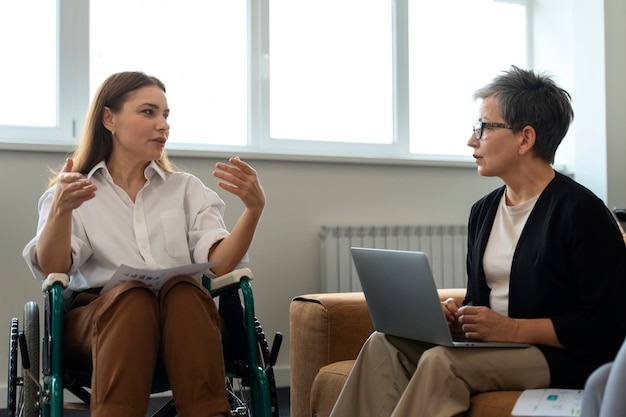
Mental health recovery is a process that needs an effective support system, and in the case of most NDIS participants, a recovery coach is an important part of that process. Recovery coaches through the National Disability Insurance Scheme (NDIS) will be instrumental in assisting people with psychosocial disability support to cope with their mental health and enhance independence, well-being, and personal development. This blog will discuss how recovery coaches can be useful in managing mental health under the NDIS and how they can help participants in managing complex mental health issues.
What is the Role of a Recovery Coach in NDIS?
A recovery coach under the NDIS is an individual who is a trained professional who closely collaborates with the participants to ensure that they can manage their mental health and attain their individual recovery objectives. They offer personalised services to psychosocially disabled individuals, such as those who live with disorders such as anxiety, depression, bipolar disorder and schizophrenia. The NDIS recovery coach role is not a mere care provider, but it provides emotional, practical, and psychological assistance to participants.
Core Responsibilities of a Recovery Coach
The primary responsibilities of a recovery coach include:
- Personalised Support: Helping participants develop their own recovery plans tailored to their individual mental health needs.
- Goal Setting: Assisting the participants in establishing meaningful objectives and dividing them into steps that can be achieved.
- Service Coordination: Connecting participants to the appropriate services and support providers under the NDIS, including mental health professionals, therapy services, and community programs.
- Encouragement and Motivation: Supplying continuous emotional encouragement and inspiration to ensure that participants remain involved in their recovery process.
- Crisis Management: Providing encouragement in a challenging period or crisis, making sure that the participants have plans on how to manage stress and disappointments.
What are the Key Responsibilities of a Recovery Coach?
The recovery coach is instrumental not only in treating mental health issues but also in helping participants lead self-reliant lives and cope with their daily activities. The following are the major roles played by a recovery coach:
- Personalised Recovery Planning: Developing a recovery plan that can match the individual needs and objectives of the participant, be it restoring mobility, coping with emotions or re-establishing relationships.
- Mental Health and Emotional Support: Regular emotional support to help participants manage their mental health issues in day-to-day life.
- Community and Social Engagement: Helping the participants become more active in their community, less isolated, and feel like they belong.
- Connection to Services: Referring participants to services that will support their recovery, such as complex disability care at home or post-hospital nursing care.
- Crisis Management: Helping the participants manage the crisis and have a de-escalating and coping strategy for stress or difficult circumstances.
What Is Psychosocial Recovery Coaching Under NDIS?
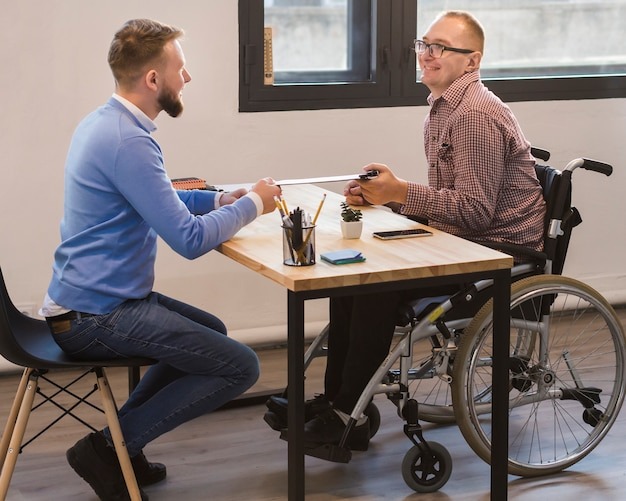
A nondisability-based psychosocial recovery coaching is a specialised type of coaching that focuses on individuals with a psychosocial disability, which is a mental health problem that significantly affects everyday activities such as socialising, working, or taking care of oneself. This form of recovery coaching aims to ensure that participants are able to regain control of their lives by providing both practical and emotional support.
Key Benefits of Psychosocial Recovery Coaching
- Improved Mental Health: Assists participants in managing the effects of mental health disorders and improving their well-being.
- Increased Independence: Encourages greater self-reliance by assisting participants in building life skills and making their own choices.
- Enhanced Social Participation: Encourages social engagement, which can reduce isolation and improve community connection.
- Holistic Support: Focuses more on the person, not their illness, to ensure a balance between the emotional and practical aspects of recovery.
- Crisis Management: Recovery coaches provide support during emotional or mental health crises and offer stress de-escalation and management techniques.
What Qualifications Are Required to Become a Recovery Coach?
To be an NDIS recovery coach, one needs not only formal education but personal traits, which correspond to the requirements of working with people with mental issues. Although lived experience is important, professional qualifications are crucial to ensure that recovery coaches can offer high-quality support.
Educational and Certification Requirements
To be an NDIS recovery coach, applicants are typically required to hold a Certificate IV in Mental Health Peer Work or a Certificate IV in Mental Health. These degrees provide background knowledge of mental health disorders, recovery, and the skills required to assist people.
Skills and Competencies for Effective Coaching
Key competencies for an effective recovery coach benefits include:
- Empathy and Compassion: Empathy and identifying with the plight of the psychosocially disabled.
- Problem-Solving Skills: The capability to assist the participants in overcoming difficulties and come up with solutions to overcome the challenges.
- Communication Skills: Good verbal and written communication to engage with the participants, their families, and other service providers.
- Cultural Competence: Cultural awareness and awareness of the potential effects of cultural differences on mental health and recovery.
How Recovery Coaches Promote Safety and Well-being for NDIS Participants
The safety and support that participants experience during recovery are among the main objectives of recovery coaching. The recovery coaches play a significant role in the practical and emotional management of a participant’s life.
Building Safe and Supportive Environments
Recovery coaches assist in establishing a physical and emotional safe environment in which participants will feel safe. This is accompanied by offering a consistent routine, promoting positive socialisation, and linking participants to relevant services to provide continued care.
Mental Health Support and Risk Management
Recovery coaches help to deal with mental health risks, including self-harm or isolation. They collaborate with participants to develop strategies for identifying and coping with triggers, and to ensure the participant is safe and well during recovery.
How Does VASS NDIS Keep Participants Engaged with Their Support Plans?
VASS NDIS, like many other NDIS providers, has a significant role to play in ensuring that participants remain actively involved in their support plans and recovery coaching services.
Engagement Strategies by VASS NDIS Recovery Coaches
VASS NDIS recovery coaches use different engagement practices, including frequent check-ins, goal-setting meetings, and linking participants to community-based activities, to ensure participants are motivated and on track with their recovery.
Recovery Coaching in the Context of NDIS Support
Recovery coaching is incorporated into other NDIS support services, such as disability home care planning, meaning these services are complementary and used together to offer a holistic service to the participant.
How Do NDIS Registered Service Providers Support Mental Health?
Service providers registered by NDIS play a critical role in providing a wide range of support services to people with mental health issues, such as recovery coaching.
Regional NDIS Providers and Mental Health Support
The services provided by the NDIS providers in various regions are specialised to include post-hospital nursing services, mental health recovery coach NDIS and community engagement services, which are all important in mental health recovery.
Partnering with Mental Health Professionals
In order to offer a comprehensive mental health care approach, NDIS providers usually work with mental health practitioners, such as psychologists, psychiatrists, and counsellors. Recovery coaches facilitate the organisation of such services so that the participants can receive assistance smoothly.
Conclusion: The Impact of Recovery Coaches in Managing Mental Health under NDIS
Recovery coaches are of invaluable assistance in the management of mental health in the NDIS, providing personalised support that helps participants regain independence and well-being. Recovery coaches help participants take charge of their mental health and live meaningful lives by addressing their personalised recovery plans, providing emotional support, and connecting them to the services they need. When you are ready to look at the NDIS mental health services, you might find the key to unlock the door to recovery is a recovery coach.
Contact Focus Family Care to learn more about how recovery coaching and tailored care plans can support your mental health recovery under NDIS. Let us help you take the next step towards a brighter, more independent future.
FAQ’s
1 What is the role of the recovery coach in NDIS?
A NDIS recovery coach is someone who assists participants with psychosocial disabilities to achieve their mental health recovery objectives, as well as accessing support services to enhance independence and wellbeing.
2 What are the key responsibilities of a recovery coach?
A recovery coach works with NDIS participants, assisting them in developing individualised recovery strategies, offering emotional support, building life skills, and linking them to the required services.
3 What is psychosocial recovery coaching under NDIS, and how does it support mental health recovery?
ADNIS psychosocial recovery coaching empowers the mentally ill to take charge of their recovery through personalised coaching, emotional support, and skills development.
4 What qualifications are required to become a recovery coach?
In order to become an NDIS recovery coach, one usually requires a Certificate IV in Mental Health Peer Work or equivalent, as well as experience in mental health support.
5 What does a mental health recovery coach do?
A mental health recovery coach helps the NDIS participants to cope with mental health issues through establishing attainable objectives, providing emotional support and referring them to available mental health services.