
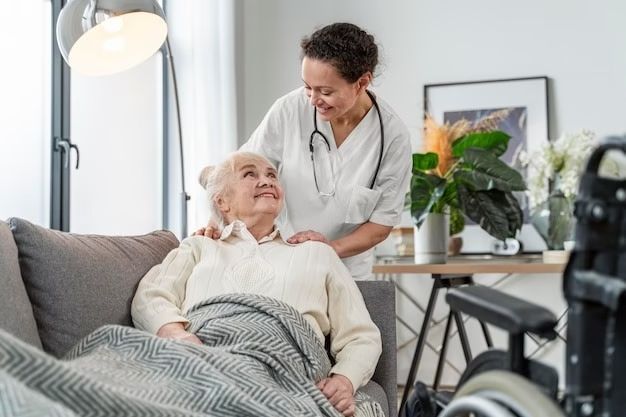
Home care for an elderly person is a responsibility many families take on enthusiastically and with concern. With age, parents’ needs may vary, sometimes gradually and sometimes suddenly. This senior care manual is designed to help families understand what elderly care entails, when they need help, and to provide a step-by-step process for offering effective, safe, and respectful care at home.
What Is Elderly Care, and What’s It Called When You Take Care of Old People?
Elderly care is ongoing support for older adults who need help with daily activities, maintaining their health, or managing their emotional needs. When stepping into caregiving, families often ask what it means to care for older adults. This task is often referred to as caregiving, senior care, or elderly care, all of which aim to assist seniors in living safely and comfortably.
Common Terms Used for Elderly Care
Elder care can be defined in various ways depending on the level of assistance. Home-based senior care typically provides non-medical support, such as bathing, dressing, meal preparation, and companionship. Home health care entails qualified medical care such as nursing or therapy. Although terminology varies, all forms of elderly care aim to provide dignity, safety, and quality of life.
Why Home Health Care Is Important for the Elderly
Home-based care enables older adults to receive care in their own homes, which is likely to yield improved physical and emotional outcomes. Staying at home reduces stress, maintains routine, and helps seniors feel their independence.
Key Benefits of Senior Care at Home
Home-based senior care at home is personalised and flexible, providing emotional comfort. The elderly tend to be less tense and more compliant at home, thereby enhancing recovery and quality of life. It is also advantageous to the family, as they are directly involved in care decisions without necessarily visiting hospitals or other institutions as often.
What Options Do Elderly Parents Have for Staying at Home While Receiving Care?
There are various care options available, allowing elderly parents to stay at home and receive care. The most appropriate option should be based on health needs, family availability, and long-term planning.
Family-Provided Care vs Professional Home Care Services
| Aspect | Family-Provided Care | Professional Home Care Services |
| Caregiver | Family members or relatives | Trained caregivers or nurses |
| Care Level | Basic daily assistance | Personal, medical, and skilled care |
| Availability | Limited by family time | Scheduled or 24/7 support |
| Training | Informal or none | Professionally trained |
| Best Suited For | Mild care needs | Moderate to complex care needs |
Family caregiving is appropriate for older adults whose needs are less demanding, whereas a professional caregiver offers consistency, safety, and expertise as needs increase.
Signs That an Elderly Person May Need Home Care Services
Home care services may be needed by an older adult who finds it challenging or unsafe to perform everyday tasks. Frequent falls, missed medications, poor hygiene, memory impairment, or noticeable emotional withdrawal are warning signs that the individual requires additional care to maintain a safe, comfortable home and a good standard of living.
Physical, Cognitive, and Emotional Indicators to Watch For
The warning signs include common falls, trouble walking, uncleanliness, missed medications, memory loss or confusion, or observable mood changes. A strong indicator that the patient may require additional support is social withdrawal and loneliness.
Step-by-Step Guide to Providing Elderly Care at Home

Home-based care for the elderly is best delivered in manageable steps rather than through reactive decision-making. A structured caregiving plan can help families meet immediate needs and prepare for future changes, ensuring older adults remain safe, supported, and independent in their homes.
Step 1 – Assess Your Parents’ Physical, Emotional, and Medical Needs
The first step is to learn about everyday constraints, health issues, mental well-being, and physical impairments. This test can be used to assess the level of care needed at present and in the future.
Step 2 – Create a Safe and Senior-Friendly Home Setup
Falls can be prevented by improving lighting, eliminating tripping hazards, and providing safety aids. The ability to be independent and confident is therefore encouraged by a safer home environment.
Step 3 – Build a Daily Care Routine That Promotes Independence
Everyday activities give order and comfort. Encouraging seniors to stay engaged in their activities preserves dignity and gives them the option to receive assistance when needed.
Step 4 – Decide When Professional In-Home Support Is Needed
When care requirements are too high or medical needs are too complex, professional caregivers may intervene to provide consistent, specialised care.
How to Care for Seniors With Special Needs at Home
Home care for individuals with special needs, including seniors, is complex and should be approached thoughtfully, balancing safety, comfort, and medical assistance. The disabilities of limited mobility, long-term disease, or mental decline may provide individual schedules, tight supervision, and, in most instances, expert help to guarantee steady and humane care at home.
How to Take Care of a Bedridden Elderly Person at Home
Bedridden Elderly Person care includes frequent repositioning, hygiene, adequate nutrition, and attention to the skin condition. Emotional contact and solace are also relevant to avoid isolation and depression.
Is It Possible to Care for Someone With Dementia at Home?
Yes, with proper structure and encouragement. Home care of dementia needs precautions, routine, explicit communication, and, in most cases, professional help in dealing with behavioural and mental alterations.
What Services Do Home Care Providers Typically Offer for Seniors?
Home care providers offer a broad spectrum of services designed to assist seniors both physically and emotionally.
Common Elderly Home Care Guide
The elderly home care guide includes personal care, mobility services, meal preparation, Medication reminders, companionship, skilled nursing services, and continuous health check-ups, so seniors can be safely left at home.
How to Find Reliable In-Home Care for Elderly Parents
The first step in finding reliable in-home care for ageing parents is to clearly understand their day-to-day and medical needs. Engaging licensed and trained caregivers or reputable home care agencies is a sure way to ensure safe, consistent, and loving care at home.
Tips for Selecting the Right Home Care Provider
Find licensed providers with trained personnel, individualised care plans, effective communication, and a good reputation. Family enables informed decision-making by asking questions and managing care.
Will Medicare or Government Programs Pay for Elderly Home Care?
Medicare may cover some short-term home health care for qualified seniors, whereas Medicaid and other government programs can assist with long-term care for older adults, depending on state directives and personal eligibility.
Overview of Medicare, Medicaid, and Government Assistance
Short-term home health care may be covered by Medicare, and Medicaid benefits and eligibility vary by state. Knowing the coverage options at an early stage enables families to plan wisely and reduce the financial strains.
Preparing as a Family for Long-Term Elderly Care at Home
The family’s plan to provide long-term care for the elderly at home includes long-term care planning, role planning, and early financial and care planning. When families set expectations and plans in advance, the caregiving process becomes more sustainable, supportive, and less stressful for all involved.
Emotional, Financial, and Care Planning Essentials
Long-term elderly care success requires emotional support, financial planning, and care planning, which help the family manage responsibilities clearly and confidently. By addressing caregivers’ needs, costs can be controlled, and continuous support and stress can be mitigated as care-related requirements change.
Final Thoughts: Creating a Safe, Respectful, and Sustainable Elderly Care Plan
Developing a safe, respectful, and sustainable plan for elderly care requires thoughtful, flexible, and compassionate preparation. Families can ensure their loved ones age with dignity and comfort at home by planning in advance, engaging appropriate support, and adjusting care to meet their needs.
Family Care Focus is available to assist families with all levels of in-home senior care. When you require support or expert in-home assistance that suits the requirements of your loved one, then simply call Focus Family Care today and take the next step towards quality, caring care, in the comfort of the home.
FAQ’s
1. What is elderly care at home, and why is it important?
Home-based elderly care is the personal, medical, and emotional assistance provided to seniors in the comfort of their homes, helping them stay safe, independent, and comfortable.
2. What are the signs that an elderly person needs home care services?
The warning signs are common regular falls, inability to perform daily activities, memory loss, lack of medication, bad hygiene, or growing loneliness and disorientation.
3. What options do elderly parents have for staying at home while receiving care?
This is because elderly parents may be cared for by family support, professional in-home caregivers, skilled home health services, or a combination of these, depending on their needs.
4. Is it possible to care for someone with dementia at home?
Yes, through appropriate routines, safety protocols, emotional and professional support, a number of demented individuals can be safely attended to in their homes.
5. Will Medicare or government programs pay for elderly home care?
Short-term home health services may be covered by Medicare, and long-term care is covered by Medicaid and other government programs, provided one meets the eligibility requirements.