Children with chronic health issues require more than visits to the doctor every few months; they require a full-time care approach that is conducive, caring and specialised to be practised as a part of their daily life. This is where home nursing in paediatrics is critical. Pediatric home nurses provide professional care in the home, assisting with medical needs while supporting the family’s emotional stability, growth, and confidence. In the long term, this type of care establishes continuity, comfort, and trust among families facing these issues.
What Is the Primary Role of a Pediatric Nurse?
The primary role of a pediatric nurse is to provide medically appropriate care to a child and support their physical, emotional, and developmental needs. Pediatric nurses are trained to recognise the differences in the impact of illness in children compared with adults and to adjust care based on the child’s maturity.
In addition to treatment, pediatric nurses also focus on relationships, monitor subtle behavioural or health changes, and ensure that care plans promote long-term recovery and well-being.
Core Responsibilities in Pediatric Nursing
The role of pediatric nurses is broad and extends beyond routine medical work. They provide medications, monitor vital signs, use medical equipment, and assess symptoms to detect changes in a child’s condition.
These roles are also applied in a home environment, where they involve adjusting care routines to accommodate family life and ensuring that treatments are safe, regular, and minimally disruptive to the child’s daily routines.
How Pediatric Nursing Supports Physical, Emotional, and Social Well-Being
Children who have chronic conditions are prone to emotional stress as well as physical symptoms. Pediatric nurses contribute to wellness by effectively alleviating pain, anxiety, and fear, promoting socialisation, and upholding standard practices.
This middle ground makes children feel safe, comprehended and cognised, which is critical to healing and proper development.
What Is the Role of a Pediatric Nurse in the Care of Children at Home?
A pediatric nurse at home is an important part of the child’s day-to-day health care. The home pediatric nurse does this by providing tranquillising medication and consistent monitoring to the child in a familiar, relaxing home environment.
Home-based care minimises hospital visits and helps maintain long-term stability, particularly for children with complex or chronic medical needs.
Differences Between Hospital-Based and Home-Based Pediatric Nursing
Hospital care focuses on acute treatment, while home-based nursing for the children focuses on continuity, comfort, and long-term management. The environment significantly influences the provision of care and the experience of both the child and the family.
| Aspect | Hospital-Based Pediatric Nursing | Home-Based Pediatric Nursing |
| Care environment | Clinical, fast-paced | Familiar, child-centred |
| Focus | Acute treatment | Long-term condition management |
| Family involvement | Limited | Active and ongoing |
| Emotional comfort | Often stressful | Reduced anxiety and fear |
| Care continuity | Shift-based | Consistent caregiver presence |
Collaboration With Doctors, Therapists, and Families
Home nurses in the pediatric speciality collaborate with physicians, therapists, and caregivers to make sure that plans of care are executed correctly. They inform of changes, report observations, and assist in aligning medical recommendations with day-to-day routines. Such a partnership is guaranteed to make care coordinated, responsive and child-focused.
How Does a Pediatric Nurse Help the Child Beyond Medical Treatment?
Pediatric nursing is much more than clinical practice. Nurses are essential professionals who can provide social support to a child with a chronic condition in their daily activities, habits, and confidence in life. By being present in the home, nurses can address issues that affect quality of life and health outcomes.
Child Development Support Through Daily Care
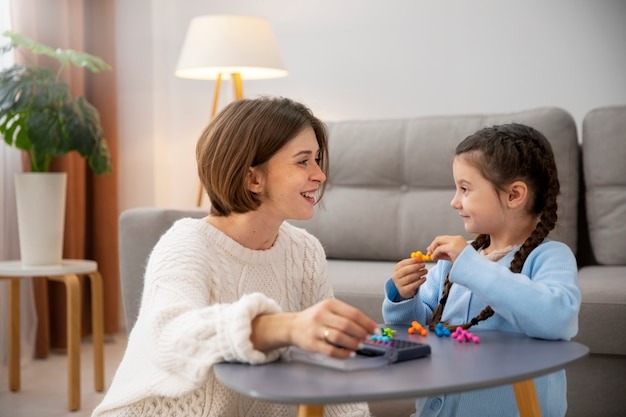
Regular practices, facilitated movement and developmental support are the key components of child development support. The paternal nurses help strengthen developmental milestones by participating in safe physical activity, therapy, and age-appropriate engagement. This day-to-day instruction helps children maintain their skills despite medical restrictions.
Building Trust, Comfort, and Emotional Security
When children feel safe and understood, they are more willing to cooperate with care. Pediatric home nurses earn trust by communicating effectively, not overstepping boundaries, and establishing predictable care routines. This is because emotional security will minimise stress and give children greater control over their surroundings.
What Support Does a Nurse Give to Children and Families?
Pediatric nurses provide consistent nursing support to children and enable families to actively contribute to their care. This common practice enhances performance and lessens the stress on caregivers.
Nurse Support for Children With Ongoing Medical Needs
Nurses provide 24-hour care, symptom control, and timely intervention in response to any changes for children who require long-term care. Such proactive assistance helps avoid complications and unnecessary hospital visits. Children benefit from being cared for by someone deeply familiar with their needs.
Educating and Guiding Parents and Caregivers
Pediatric home care requires education as a key component. Nurses educate families on medication management, warning signs, and how to respond to health changes. This direction provides assurance and helps ensure safety even outside nursing visits.
What Health Problems Can Be Managed by Pediatric Home Nurses?
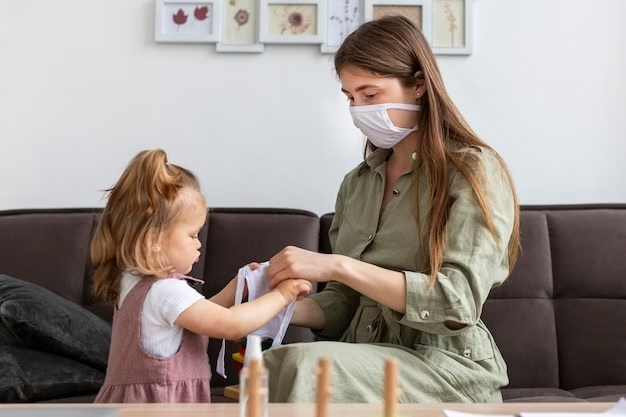
Home nurses work with a wide range of conditions that must be managed continuously in paediatrics. Their training enables them to tailor care plans to both medical requirements and home environments. Home care is a viable alternative for most families, as it is flexible.
Chronic Illnesses Commonly Managed at Home
Asthma, neurological disorders, genetic disorders, diabetes, respiratory illnesses, and other conditions are all common ones that are supported by pediatric home care. Nurses assist in managing symptoms, equipment, and treatment programs. Long-term monitoring helps improve stability and overall health outcomes.
Short-Term and Long-Term Child Health Services at Home
In addition to chronic care, pediatric home nurses assist with post-operative, post-illness, or post-hospitalisation recovery. These health services for children facilitate smooth transitions and reduce the risk of setbacks. The development of the care plans changes with the child’s needs.
What Types of Home Care Roles Do Pediatric Nurses Perform?
Several roles of pediatric nurses in homes combine experience in medicine with support in everyday life. Their practice is responsive to the individual child’s state and the family setup. Long-term care is impossible without such flexibility.
Daily Medical Care and Monitoring Roles
Medication administration, monitoring of vital signs, equipment handling, and symptom tracking occur daily. There is safety and consistency in the treatment that nurses provide. Their observations usually help detect problems early.
Long-Term Care Support for Chronic Conditions
Over time, home nurses adjust the care routine to align with the child’s development and the condition’s progression. This stability helps and minimizes interruptions. It helps families have a reliable professional to lead long-term care.
What Unique Challenges Do Pediatric Home Nurses Face?
Home care has its challenges compared with hospital care. Balancing medical accuracy with emotional sensitivity and flexibility is a requirement for pediatric nurses. The need to address these difficulties underscores the importance of their contribution.
Emotional Challenges of Caring for Chronically Ill Children
It may be emotionally taxing to form relationships with children who have a long-term illness. Nurses are expected to manage emotions and remain professionally resilient. This emotional strength is required to deliver high-quality, long-term care.
Managing Care in Non-Clinical Home Environments
The layouts, resources, and safety factors of homes vary widely. Nurses modify care plans and ensure that medical standards are observed in non-clinical settings. This involves being creative and adaptable.
What Is the Most Difficult Part of Being a Pediatric Home Nurse?
The challenges of providing complex medical care and managing emotional interactions are the hardest aspects of pediatric home nursing. Nurses should be considerate and calm when managing severe health needs. This balance is critical for both child and family well-being.
Balancing Medical Care With Emotional Sensitivity
Families and children tend to be fearful and uncertain. Nurses are comforting and capable of giving specific care. This is a two-task position that requires compassion and skills.
Supporting Families During Difficult Health Journeys
The families which struggle with chronic conditions might have stress, fatigue, or grief. They are assisted by nurses with education, presence, and encouragement. This assistance makes families tough.
How Are Pediatric Home Nurses Trained to Handle Emergencies?
Home nurses working with paediatrics are trained in emergency situations by completing specialised paediatric courses and clinical simulations specific to home care, enabling them to respond rapidly to respiratory distress, medication reactions, and equipment malfunctions.
Emergency Response Training in Home Care Settings
Pediatric nurses complete training in CPR, respiratory emergencies, drug reactions, and equipment breakdowns. They will be ready to stabilise circumstances and increase care when necessary. Rapid reaction can avoid dire consequences.
Ongoing Skill Development and Pediatric Specialisation
Ongoing learning keeps nurses abreast with best practices and emerging treatments. Pediatric training improves the quality of care and safety. This also helps to build long-term trust.
How Pediatric Home Nurses Support Children With Long-Term or Chronic Conditions?
Long-term care requires regularity, flexibility, and expertise. Pediatric home nurses provide structure and minimal disruption, enabling children to live as normally as possible. They have a positive impact on health and livelihoods.
Creating Consistent Care Plans for Chronic Conditions
Plans of care are individualised and revisited, and modified as children develop. Regularity helps minimize difficulties and maintain continuity. Families are encouraged by clear routines.
Improving Quality of Life Through Home-Based Pediatric Nursing
Home-based pediatric nursing enhances quality of life by reducing hospital visits and promoting comfort. Children become more stable, and families are confident in care. Such holistic assistance is important.
Conclusion: The Long-Term Impact of Pediatric Home Nursing on Child Health
Home nursing in paediatrics provides an essential role in delivering care to chronically ill children with a medical approach and family-oriented care. Pediatric nurses help children feel at home and support their ability to live fruitfully through specialised routines, emotional support, and professional assistance.
This strategy demonstrates Focus Family Care, dedication to providing effective, specialised pediatric home care that supports children and their families throughout the full health process at all levels.
When your child requires regular and loving care at home, call Focus Family Care now and see how our pediatric home nursing can deliver the confidence and care you and your family need.
FAQ’s
- What does a pediatric home nurse do for children with chronic conditions?
A pediatric home nurse will provide ongoing medical care, symptom checks, treatment, and day-to-day health care for a child in comfort in chronic conditions.
- How does pediatric home nursing help children manage long-term illnesses at home?
Home-based care enables children to manage long-term conditions by providing regular care, reducing complications, and minimising hospital visits through personalised care delivered at home.
- What kinds of health conditions can pediatric home nurses care for at home?
The chronic and complex conditions treated by pediatric home nurses include asthma, diabetes, neurological disorders, respiratory illnesses, and post-severe medical treatment recovery.
- How do pediatric home nurses support child development and emotional well-being?
Pediatric home nurses can help children grow and have emotional stability by promoting age-specific activities, routines, and family assurance in home settings.
- What training do pediatric home nurses have to handle emergencies at home?
Pediatric home nurses receive specialised training in responding to paediatric emergencies, CPR, symptom escalation, and the safe use of medical equipment to address urgent situations at home.